Eco-first Lawn Mowing Mortlake: Recycling and Sustainable Grounds Care
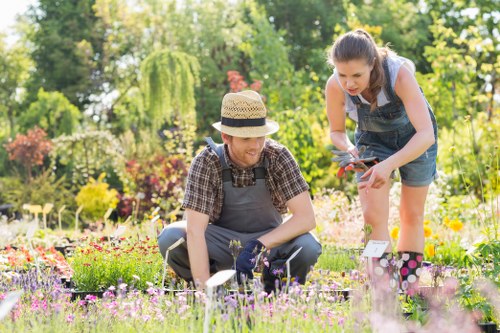 At Lawn Mowing Mortlake we prioritise practical, measurable sustainability across every cut and collection. Our local mowing and garden rubbish services are designed to reduce landfill dependency, boost on-site recycling and support the borough's wider waste separation approach. We work with residents to separate garden waste, food scraps and mixed recyclables so that green waste becomes a resource, not refuse.
Our approach to sustainability is grounded in targets: we have set a firm recycling percentage target of 70% of all green and organic material diverted from landfill by 2030, aligned with regional circular-economy goals. That target guides our daily routines — from how clippings are collected to how woody prunings are prepared for transfer to reuse or composting facilities.
 We also mirror the boroughs' approach to waste separation by encouraging customers to segregate loads into categories such as garden waste, food/organic waste, glass and containers, paper/cardboard and residual waste. Our field teams carry clearly labelled containers and provide simple advice for residents on where different materials should go to speed transfer and processing once collected.
Sustainable Rubbish Gardening Area: On-site Recycling and Resource Capture
At properties across Mortlake we create a sustainable rubbish gardening area by turning mowing residues into valuable inputs: mulches for beds, compost feedstock and brushwood for biomass processing. These activities reduce greenhouse gas emissions from transport and landfill and keep soil health at the centre of our work. We also employ low-disturbance mowing techniques to preserve biodiversity within lawns and borders.
We operate a clear chain-of-custody for garden materials, ensuring that green waste is either composted locally, delivered to civic amenity sites, or prepared for commercial composting streams. Partnerships with local transfer stations make this possible: collected material is taken to borough transfer hubs and nearest civic amenity sites for sorting and onward processing.
 Our list of recycling activities relevant to the area includes:
- On-site grass clipping mulching and integration into beds to return nutrients;
- Segregation and collection of woody prunings for chipping and biomass reuse;
- Food-waste capture for community composting where clients participate;
- Transport of surplus soil and turf to authorised recycling or reuse centres.
Local Transfer Stations, Borough Collaboration and Charity Partnerships
We maintain close links with local transfer stations and borough-managed facilities to improve material flows. By coordinating pick-ups with municipal collection schedules, we reduce double handling and ensure more materials reach processing plants. We are also familiar with the specific waste separation policies adopted by neighbouring boroughs and adapt our services to fit local rules, helping clients avoid contamination of recyclable streams.
Our charity partnerships are central to our reuse strategy. We collaborate with community groups, local environmental charities and municipal reuse organisations to donate reusable items such as turf rolls, potted plants, and usable timber from clearance work. These partnerships extend the useful life of materials and support community projects like urban gardens and habitat restoration.
To ensure transparency we track diverted tonnage monthly and publish an internal sustainability report showing progress toward our recycling percentage target. This data-sharing helps partners and clients see the real environmental benefits that come from careful on-site separation and timely delivery to transfer stations.
Low-carbon logistics are another pillar of our sustainability plan. Our fleet includes low-emission vans — hybrids and fully electric vehicles where feasible — and we prioritise route optimisation software to reduce mileage, idling and fuel use. Low-carbon vans are used for dense urban routes in Mortlake to minimise noise and air pollution, while larger loads are consolidated to fewer trips to transfer stations.
Operational practices such as bagless grass collection for mulching, use of battery-powered garden tools and scheduled maintenance of engines help lower our carbon footprint further. We train crews in eco-conscious handling and storage of green waste to prevent odour and greenhouse gas release before processing.
 We also contribute material to local composting schemes that benefit community gardens and public green spaces. By keeping nutrient-rich compost within the borough, we close local nutrient cycles and reduce the need for synthetic fertilisers. Where possible we source composting capacity from nearby facilities to keep transport emissions low.
To support wider social value, we work with charities to provide job training and volunteering opportunities focused on recycling, composting and sustainable grounds maintenance. These initiatives build local capacity for waste separation and help foster a culture of reuse and repair in neighbourhoods across Mortlake.
Our customer information emphasises simple actions that make a big difference: separating green waste at source, avoiding contamination of recyclable streams, and selecting options for on-site composting where space allows. Educational leaflets and short team-led demonstrations help residents understand the boroughs' sorting systems and the reasons behind them.
 In summary, Lawn Mowing Mortlake delivers a practical, accountable and community-minded sustainability programme: an ambitious recycling percentage target, coordinated deliveries to local transfer stations, active partnerships with charities for reuse and training, and a low-carbon van fleet to lower transport emissions. By combining careful on-site recycling activity with borough-aware waste separation and collaborative logistics, we turn routine lawn care into a driver for circular, low-impact neighbourhoods.